

Tools
Available in
English
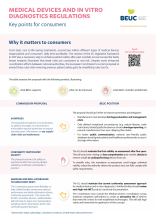
From basic care to life-saving treatments, around two million different types of medical devices shape patient and consumers’ daily lives worldwide. The revision of the EU legislative framework in 2017 was a necessary step to enhance patient safety after past scandals across Europe like faulty breast implants illustrated that weak rules put consumers at real risk. Despite some enhanced coordination efforts between national authorities, the European Commission’s current proposal to amend these rules risks reversing previous patient safety gains by simplifying rules too far.
Tools
Available in
English
There is a growing pensions gap in the European Union and about half of consumers could meaningfully mitigate the risk of poverty in old age for themselves by investing into a good quality retirement savings product, if one was available. However, even the consumers who could, often don’t engage due to mistrust in financial services. Offering a high-quality, standardised product could increase participation by establishing a trustworthy and recognisable option and would meaningfully improve the retirement outlook for a large number of consumers.
Tools
Available in
English
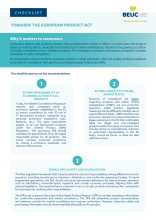
Consumers deserve safe products, whether they purchase them online or offline. In recent years, the surge of products entering the EU, especially from third-country online marketplaces, has led to the growing circulation of unsafe, counterfeit or non-compliant products. This endangers consumers and exposes compliant European businesses to unfair competition.
EU policymakers should reinforce consumer products’ market placement rules and update market surveillance and products’ compliance through the upcoming European Product Act (EPA). This checklist sums up our key recommendations.