
Latest News
Logo

Tools
Available in
English
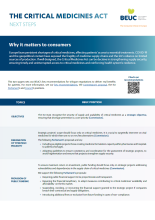
Europe faces persistent shortages of critical medicines, affecting patients’ access to essential treatments. COVID-19 and the geopolitical context have exposed the fragility of medicine supply chains and the EU’s reliance on limited sources of production.
The ongoing inter-institutional negotiations should ensure the Critical Medicines Act is decisive in strengthening supply security, ensuring timely and uninterrupted access to critical medicines and reinforcing health system’s resilience.
BEUC's new two-pager summarises our main recommendations for trilogue negotiations. To find out more, read our new publication here.
The ongoing inter-institutional negotiations should ensure the Critical Medicines Act is decisive in strengthening supply security, ensuring timely and uninterrupted access to critical medicines and reinforcing health system’s resilience.
BEUC's new two-pager summarises our main recommendations for trilogue negotiations. To find out more, read our new publication here.


Position papers
Available in
English
This document compiles BEUC's recommendations for targeted revision of EU medical devices rules after the EU's public consultation on medical devices rules.
Tools
Available in
English
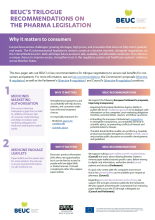
Europe faces serious challenges: growing shortages, high prices, and innovation that does not fully match patients’ real needs. The EU pharmaceutical legislation's revision comes at a decisive moment, alongside negotiations on the Critical Medicines Act. Both will shape future access to safe, available, and affordable medicines. This reform is a unique chance to improve access, strengthen trust in the regulatory system and healthcare systems’ resilience across Member States.
This two-pager sets out BEUC’s 6 key recommendations for trilogue negotiations to secure real benefits for consumers and patients.
This two-pager sets out BEUC’s 6 key recommendations for trilogue negotiations to secure real benefits for consumers and patients.
Position papers
Available in
English
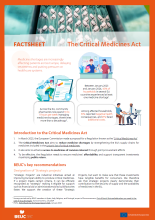
BEUC’s position paper on the Critical Medicines Act considers that the proposal goes in the right direction but should be further aligned with consumers’ needs and expectations.

Position papers
Available in
English
BEUC’s response to the European Commission’s call for evidence on the Medical Countermeasures Strategy