
Latest News
Logo


Press releases
Available in
English
Today, BEUC and 23 of its member organisations from 18 countries have filed a complaint to the European Commission and the network of consumer protection authorities (CPC) denouncing misleading climate-related claims by 17 European airlines. According to legal analysis commissioned by BEUC, such claims breach the EU rules tackling unfair commercial practices.

Letters
Available in
English
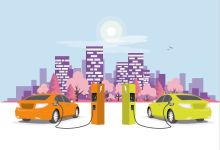
In this letter, we call on the European Commission to electrify company car fleets in order to speed up the development of a second-hand electric car market.
Press releases
Available in
English
Electric car drivers in Europe will as of 2025 benefit from more charging points, which to date has been a sticking point in the rollout of greener cars. Additionally, new fast chargers will always have to display transparent prices in kilowatt-hours (kWh) and make payment easy. These positive developments will come about following the agreement between the European institutions to improve the law that regulates charging infrastructure, the Alternative Fuels Infrastructure Regulation.
Press releases
Available in
English
Due to pressure from Germany, EU member states are delaying the signing off of a new EU law which would eliminate CO2 emissions from new cars by 2035. The request by national politicians to introduce a loophole for cars running on synthetic ‘e-fuels’ in the law runs against the interest of drivers, as it will be much more costly than going electric.

Press releases
Available in
English
While electric cars are increasingly popular, petrol and diesel cars will be produced and sold well into the 2030s and driven into the 2040s. Plans unveiled by the European Commission to lower air pollutants from cars do not sufficiently address the emissions caused by new fossil fuel vehicles hitting Europe’s roads in the years to come.